


Choosing the right supplement stack can feel overwhelming for athletes seeking to maximise training gains and recovery. With countless products promising results, knowing which combinations genuinely enhance performance requires evidence-based guidance. This article reveals practical, research-backed strategies to help you build effective supplement stacks tailored to your athletic goals, ensuring you invest wisely in products that deliver measurable benefits without compromising safety or wasting money on ineffective combinations.
Table of Contents
- Key takeaways
- How to evaluate and select supplements for stacking
- Core supplements to include in your stack
- Comparing popular supplement stacks for different goals
- Final tips for safe and effective supplement stacking
- Elevate your supplement stack with quality products
- Top supplement stacking tips: frequently asked questions
Key Takeaways
| Point | Details |
|---|---|
| Goal driven selection | Your athletic goals should determine every supplement choice. |
| Test single supplements | Begin with individual products to assess tolerance and avoid wasting money on ineffective combinations. |
| Creatine 3 5 g daily | Creatine monohydrate taken three to five grams daily enhances strength and recovery, with a loading phase unnecessary. |
| Core stack components | Core stack components include creatine beta alanine protein and caffeine as foundational elements. |
| Quality via third party testing | Third party testing ensures labels match contents and helps protect athletes from banned substances. |
How to evaluate and select supplements for stacking
Building an effective supplement stack starts with clear criteria rather than chasing trends or marketing claims. Your athletic goals should dictate every selection. Are you prioritising strength gains, endurance capacity, or faster recovery between sessions? Each objective demands different supplement combinations and dosing strategies.
Gastrointestinal tolerance often determines whether a theoretically perfect stack works in practice. Start with single supplements before combining multiple products. This approach helps you identify which ingredients cause bloating, cramping, or other digestive issues. When you individualise stacks and monitor tolerance, you avoid wasting money on products your body can’t handle effectively.
Medication interactions require careful attention. Stimulants like caffeine can amplify effects of certain prescriptions, whilst some supplements affect nutrient absorption. Consult a healthcare professional before stacking if you take regular medications. This simple step prevents dangerous interactions and ensures your supplements support rather than compromise your health.
Product quality varies dramatically across brands. Third-party testing verifies that labels match contents and screens for banned substances. Athletes subject to drug testing must prioritise certified clean supplements to protect their competitive status. Even recreational athletes benefit from quality assurance, as contaminated products pose serious health risks.
Gender-specific responses matter more than many athletes realise. Research shows women may experience different magnitude of gains from certain supplements compared to men, particularly regarding muscle mass increases. This doesn’t mean supplements are less valuable for female athletes, but expectations and dosing may need adjustment. Trial your stack during training blocks rather than competition periods, allowing time to assess individual responses without jeopardising performance when it counts most.
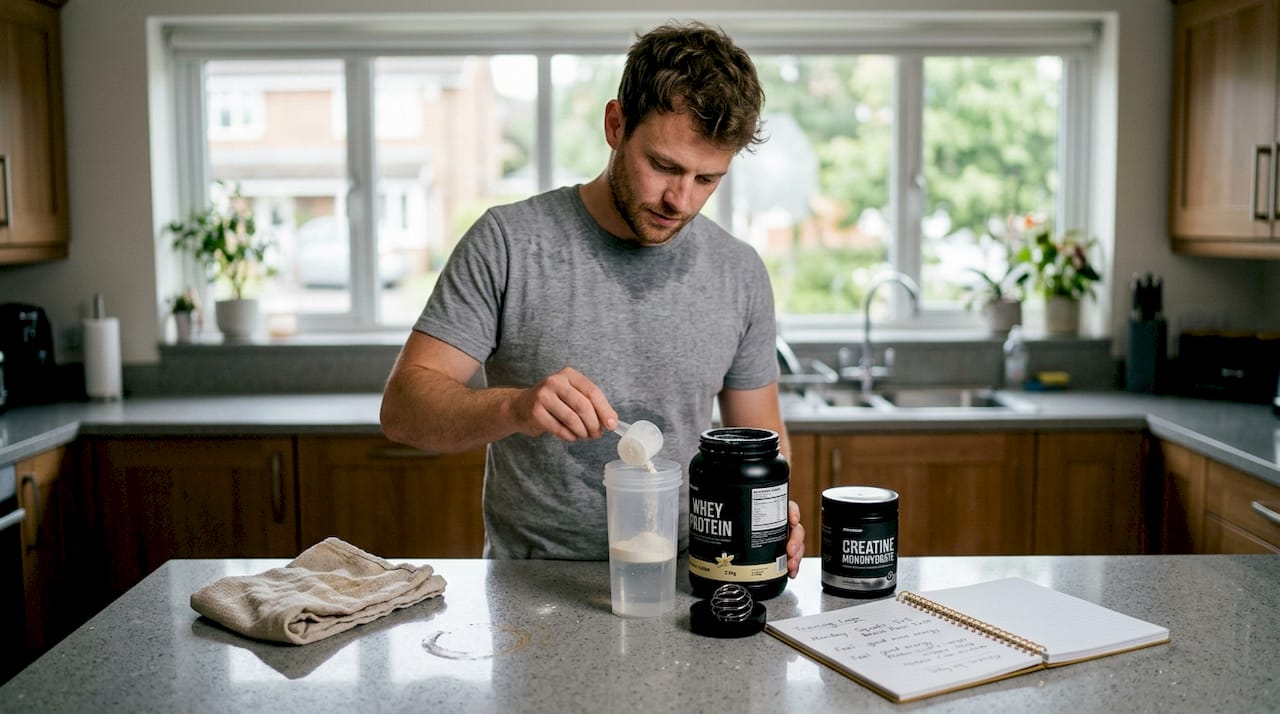
Pro Tip: Keep a training log that tracks supplement timing, doses, and perceived effects alongside workout performance metrics. This data reveals patterns showing which combinations genuinely enhance your results versus those providing placebo benefits.
Once you understand evaluation criteria, focus shifts to identifying which core supplements deserve a place in your stack based on robust evidence rather than marketing hype. Learning how to stack supplements naturally ensures you build on a solid foundation.
Core supplements to include in your stack
Four supplements consistently demonstrate performance benefits in trained athletes, making them foundational choices for effective stacking. Each offers distinct mechanisms and timing requirements that maximise their synergistic potential when combined thoughtfully.
Creatine monohydrate at 3-5g daily enhances strength, power output, and recovery between high-intensity efforts. The traditional loading phase of 20g daily for five days accelerates saturation but isn’t necessary. Consistent daily intake achieves the same muscle creatine levels within three to four weeks. Take it with carbohydrates post-workout to optimise uptake, though timing matters less than total daily intake. Creatine works by replenishing phosphocreatine stores, enabling your muscles to regenerate ATP faster during explosive movements.
Whey protein providing 20-30g post-workout supports muscle repair and maximises strength adaptations from training. Whilst whole food protein sources work equally well, whey offers convenience and rapid absorption when you need quick nutrition after sessions. The leucine content particularly matters, as this amino acid triggers muscle protein synthesis most effectively. Don’t obsess over the anabolic window; total daily protein intake across meals matters more than precise post-workout timing.
Key dosing guidelines for core supplements:
- Creatine: 3-5g daily, any time, with or without loading phase
- Whey protein: 20-30g post-workout or as needed to meet daily protein targets
- Beta-alanine: 3.2-6.4g daily, split into smaller doses to minimise tingling
- Caffeine: 3-6mg per kg bodyweight, 30-60 minutes pre-workout
Beta-alanine at 3.2-6.4g daily buffers acidosis during repeated high-intensity efforts lasting 60-240 seconds. This supplement requires several weeks of loading to increase muscle carnosine levels, so don’t expect immediate results. The harmless tingling sensation many users experience can be reduced by splitting doses throughout the day. Beta-alanine particularly benefits athletes in sports involving repeated sprints, such as football, rugby, or interval training.
Caffeine at 3-6mg per kilogram bodyweight taken 30-60 minutes pre-workout enhances power, endurance, and mental alertness. A 70kg athlete would take 210-420mg, roughly equivalent to two to four cups of coffee. Timing matters significantly; too early and effects wear off mid-session, too late and sleep suffers. Habitual caffeine users may need higher doses for the same effect, whilst those sensitive to stimulants should start at the lower range.
Combining these core supplements creates synergistic benefits that exceed individual effects. Creatine and beta-alanine work through different mechanisms, both supporting high-intensity performance. Protein provides the building blocks for adaptations that creatine and training stimulate. Caffeine acutely enhances the quality of training sessions where other supplements support long-term adaptations. Understanding why stacking supplements enhances performance helps you appreciate these complementary mechanisms.
With core options identified, comparing specific stacking combinations reveals which arrangements best serve different athletic goals and training phases. Strategic supplement cycle planning ensures sustained benefits without diminishing returns.
Comparing popular supplement stacks for different goals
Different supplement combinations suit specific athletic objectives and training phases. Understanding how stacks compare helps you select arrangements that align with your current priorities rather than following generic recommendations.
| Stack combination | Primary benefit | Performance gain | Best for |
|---|---|---|---|
| Creatine + beta-alanine | Enhanced high-intensity repeated efforts | Moderate improvements in jump power and endurance | Team sports, HIIT training |
| Protein + creatine | Maximised strength and muscle adaptations | Most effective for strength gains | Resistance training, powerlifting |
| Caffeine + protein | Acute performance boost with recovery support | Immediate workout quality enhancement | Pre-workout energy and post-session repair |
| Creatine + caffeine | Combined power and endurance benefits | ~2-3% performance gains | Mixed training modalities |
| All four core supplements | Comprehensive performance and recovery support | Synergistic benefits across multiple systems | Serious athletes in intense training blocks |
The creatine and beta-alanine combination particularly suits athletes whose sports demand repeated high-intensity efforts with short recovery periods. Research shows moderate improvements in jump power and capacity to sustain intense work. However, neither supplement drastically increases muscle mass in trained athletes without appropriate training stimulus. They enhance your ability to train harder and recover faster, which indirectly supports muscle growth over time.
Protein paired with creatine consistently ranks as the most effective stack for maximising strength gains from resistance training. Protein provides amino acids for muscle repair whilst creatine enhances training capacity and intracellular signalling that promotes adaptations. This combination offers the best return on investment for athletes prioritising strength development.
Caffeine works differently than other supplements by providing acute rather than cumulative benefits. It doesn’t require loading and effects appear within an hour of consumption. This makes caffeine ideal for pre-workout use when you need immediate performance enhancement. However, daily caffeine users build tolerance, reducing its ergogenic effects over time. Consider cycling caffeine intake or reserving it for key training sessions and competitions.
Pro Tip: Match your stack to training periodisation. During base-building phases, focus on creatine and protein for adaptations. Add caffeine and beta-alanine during high-intensity blocks when their acute benefits matter most. This strategic approach optimises both performance and budget.
No stack produces dramatic muscle gains in already-trained athletes without progressive overload and adequate nutrition. Supplements enhance training adaptations; they don’t replace proper programming, recovery, or dietary fundamentals. Empirical research shows realistic expectations: supplements might improve performance by 2-3% when everything else is optimised. That small margin can mean the difference between winning and placing, but only when foundational training and nutrition are solid.
Athletes should adapt stacks to their specific goals and current training phase rather than maintaining identical supplementation year-round. A sprinter preparing for competition needs different support than an endurance athlete in base training. Understanding these nuances helps you invest in performance-enhancing stacks that actually match your needs.
With comparison complete, practical implementation tips ensure your chosen stack delivers optimal results safely and sustainably. Learning to stack supplements safely protects both health and performance.
Final tips for safe and effective supplement stacking
Implementing your supplement stack requires attention to practical details that separate theoretical benefits from real-world results. These expert recommendations ensure you maximise effectiveness whilst minimising risks and side effects.
Test gastrointestinal tolerance gradually when introducing new supplements. Start with single products at half doses for three to five days before combining multiple supplements or reaching full dosing. This methodical approach identifies problematic ingredients before you’ve invested in large quantities. Many athletes discover they tolerate certain brands better than others due to different fillers, flavourings, or manufacturing processes.
Key safety practices for supplement stacking:
- Avoid overlapping stimulants from multiple sources, as combined caffeine intake can disrupt sleep and increase anxiety
- Space doses throughout the day when supplements cause GI discomfort at full single servings
- Monitor hydration carefully, as creatine increases intracellular water retention
- Track menstrual cycle effects in female athletes, as some supplements may interact with hormonal fluctuations
- Discontinue any supplement causing persistent side effects rather than pushing through discomfort
Cycling supplements maintains long-term effectiveness and safety for products where tolerance develops. Caffeine users particularly benefit from periodic breaks that restore sensitivity. Take one to two weeks off caffeine every eight to twelve weeks, timing breaks during lower-intensity training phases. Creatine doesn’t require cycling, as your body doesn’t develop tolerance to its mechanisms. However, some athletes prefer periodic breaks simply to assess baseline performance and confirm continued benefits.
Individualising stacks based on monitored tolerance ensures sustained effectiveness. What works brilliantly for your training partner might cause you problems. Genetic variations affect how individuals metabolise and respond to supplements. Some people are caffeine fast metabolisers who clear it quickly, whilst slow metabolisers experience prolonged effects and potential sleep disruption from afternoon doses.
Product quality determines whether supplements deliver promised benefits or waste your money. Third-party testing by organisations like Informed-Sport or NSF Certified for Sport verifies label accuracy and screens for banned substances. These certifications cost manufacturers money, so their presence signals commitment to quality. Cheap supplements often contain less active ingredient than labels claim or include undisclosed fillers. Following supplement safety guidelines protects your investment and health.
“The best supplement stack is the one you’ll actually take consistently whilst monitoring its effects on your training and recovery. Consistency beats perfection when building long-term athletic performance.”
Define measurable goals before starting any supplement stack, then track relevant metrics consistently. Strength athletes should log working weights and rep maxes. Endurance athletes can monitor heart rate at set paces or time trial performances. Recovery metrics like resting heart rate variability or subjective fatigue ratings reveal whether your stack supports adaptation. Without data, you’re guessing whether supplements justify their cost.
Adjust your stack based on training feedback rather than rigidly following initial plans. If beta-alanine causes uncomfortable tingling that distracts during technique work, reduce the dose or split it differently. If caffeine before evening sessions disrupts sleep, shift it to morning training or reduce the amount. Your supplement stack should enhance training, never compromise it. Understanding why supplement quality matters helps you make informed choices that support long-term athletic development.
With these practical tips established, discovering quality supplement options that support your stacking strategy becomes the logical next step.
Elevate your supplement stack with quality products
Building an effective supplement stack requires access to clean, tested products that deliver consistent results. Elevate Supplements offers carefully curated stacks designed specifically for athletic performance and recovery, taking the guesswork out of combining supplements effectively.
Our Perform & Recovery Stack combines the core supplements discussed throughout this article in optimal ratios for training enhancement and post-session repair. Each product undergoes third-party testing to verify purity and potency, ensuring you receive exactly what the label promises without contaminants or banned substances.
The Fuel & Utilization Stack provides comprehensive support for athletes in intense training blocks, combining energy substrates with recovery nutrients. We’ve eliminated the trial and error of building stacks from scratch, offering proven combinations that work synergistically.
Explore our complete range of performance supplements at Elevate Supplements, where you’ll find individual products to customise your stack alongside our pre-designed combinations. With free UK and Ireland shipping on orders over £100 and 24/7 customer support, we make it easy to access the supplements your training demands.
Top supplement stacking tips: frequently asked questions
Should I take creatine and protein at the same time?
Yes, taking creatine with protein post-workout is perfectly safe and may enhance uptake due to the insulin response from protein. However, timing matters less than consistent daily intake for both supplements.
How long does beta-alanine take to work?
Beta-alanine requires two to four weeks of consistent daily dosing to saturate muscle carnosine levels. Unlike caffeine, you won’t notice immediate effects, so patience and consistency are essential for benefits.
Can I stack caffeine with pre-workout supplements?
Check your pre-workout label first, as most already contain caffeine. Combining multiple caffeine sources can exceed safe doses of 400mg daily, causing jitters, anxiety, and sleep disruption.
Do I need to cycle off creatine?
No, creatine doesn’t require cycling as your body doesn’t develop tolerance. Long-term studies show continuous use remains safe and effective, though some athletes take breaks to assess baseline performance.
Should women dose supplements differently than men?
Body weight-based dosing applies to caffeine, but most supplements use absolute doses regardless of gender. Women may experience different magnitude of gains, particularly for muscle mass, but safety profiles remain similar.
How do I know if my supplement stack is working?
Track objective performance metrics like strength, endurance times, or recovery rates before and during supplementation. Subjective improvements in training quality and fatigue levels also indicate effectiveness when monitored consistently.
Recommended
- How to Stack Supplements Safely for Maximum Results – ElevateSupplements
- Why stack supplements for peak performance and recovery – ElevateSupplements
- How to plan supplement cycles for peak performance 2026 – ElevateSupplements
- How to Choose Supplements for Peak Performance Results – ElevateSupplements


