


TL;DR:
- Most effective immune support in the UK and Ireland focuses on vitamin D, zinc, and vitamin C.
- Supplements should be used to address specific deficiencies and not relied on as quick fixes.
- Beware of unproven herbal remedies and excess intake, particularly zinc, which can be harmful.
Walk into any health shop or scroll through fitness forums in the UK and Ireland, and you’ll find hundreds of supplements claiming to “boost” your immunity. The reality is far more nuanced. Key immune nutrients include vitamins A, C, D, E, selenium, and zinc, and deficiencies in these genuinely weaken your defences. But most products on shelves go well beyond that science. This guide cuts through the noise, giving you a clear framework for evaluating options, a breakdown of what the evidence actually supports, and practical steps to build an immune-support routine that fits your fitness goals.
Table of Contents
- How to evaluate supplements for immune health
- Top evidence-backed immune-boosting supplements
- Comparing popular immune supplements: benefits and cautions
- Making the right choice for your performance and wellbeing
- Our take: why most immune-boosting lists miss the mark in 2026
- Explore trusted immune-support supplements for your routine
- Frequently asked questions
Key Takeaways
| Point | Details |
|---|---|
| Vitamin D priority | Supplementing vitamin D is vital for most people in the UK and Ireland due to low sunlight exposure in autumn and winter. |
| Proven nutrients matter | Focus on evidence-backed nutrients like D, C, and zinc for reliable immune support when needed. |
| Beware supplement hype | Steer clear of trendy ingredients with little proof, such as echinacea and elderberry, and be cautious with dosages. |
| Prioritise balanced diet | Diet rich in colourful fruits, vegetables, and wholegrains underpins immunity better than most supplements alone. |
| Personalised approach | Individual needs depend on season, training load, and risk of deficiency—test and supplement only as necessary. |
How to evaluate supplements for immune health
The supplement market is saturated with bold claims, and not all of them hold up under scrutiny. Before you reach for anything, it pays to know what you’re actually looking for.
Start by distinguishing between well-researched nutrients and trendy herbal remedies. Nutrients like vitamin D, zinc, and vitamin C have decades of clinical research behind them. Herbal products often rely on small, poorly controlled studies or traditional use alone. That doesn’t automatically make them useless, but it does mean the evidence bar is lower, and the risk of wasting money (or doing harm) is higher.
Consider your own risk profile. UK authorities advise prioritising a balanced diet over supplements for immune support, and no single supplement “boosts” immunity in isolation. Supplementation makes sense when there’s a clear deficiency risk, a specific life stage or season, or a dietary gap you genuinely can’t fill with food. For UK and Ireland residents, vitamin D in autumn and winter is the most obvious example. For athletes training hard, zinc and vitamin C may be worth monitoring.
Here’s a checklist of what to look for on product labels:
- Evidence-based ingredients with clinical trials in humans
- Doses that match NHS or European Food Safety Authority recommendations
- Third-party testing or quality certification (e.g., Informed Sport)
- Transparent labelling with no proprietary blends hiding individual doses
- No mega-doses of single nutrients unless medically directed
- Clear country of manufacture and batch testing information
Red flags are equally important to recognise. Be wary of products claiming to “supercharge” immunity, those with ingredients backed only by in-vitro (cell culture) research, or anything marketed as a cure. Supplements with 10 or 20 “active” ingredients rarely have the dose of any single one high enough to be effective.
Pro Tip: Look for proven immune-boosting supplements that list each ingredient dose individually. If a product hides amounts behind a “proprietary blend,” you can’t verify you’re getting a meaningful quantity of anything.
Understanding the difference between diet versus supplements for immunity is the first step to spending wisely and getting real results.
Top evidence-backed immune-boosting supplements
With selection criteria in mind, here are the most effective supplements backed by science.
Vitamin D is the standout priority for anyone living in the UK or Ireland. NHS recommends 10 mcg (400 IU) daily for everyone from October through March due to limited sunlight. That guidance exists because the research is unambiguous: vitamin D reduces respiratory infection risk by 12% overall, and by up to 70% in people who are deficient. A quality vitamin D supplement paired with K2 helps ensure proper absorption and utilisation.
Zinc supports immune cell production and has a direct role in recovery after intense training. Athletes are at heightened risk of zinc depletion through sweat. The key is sticking to recommended daily amounts rather than assuming more is better.
Vitamin C is well known for its antioxidant properties, and it does support the function of immune cells. For most people eating a varied diet, deficiency is uncommon, but athletes with high training loads may benefit from targeted supplementation, particularly during competition season.

Selenium and vitamins A and E play supportive roles in immune function, but most people with a reasonably balanced diet are not deficient. These are worth keeping an eye on if you follow restrictive diets.
Probiotics are worth considering for intense exercisers. The gut houses a significant portion of immune tissue, so maintaining gut flora matters. Evidence is still evolving, but regular probiotic use appears beneficial for those doing high volumes of training.
Here’s a quick-reference summary:
| Supplement | Evidence level | Best for | Notes |
|---|---|---|---|
| Vitamin D | Strong | All UK/Ireland residents, autumn/winter | NHS-recommended |
| Zinc | Moderate | Athletes, those with low dietary intake | Avoid high doses |
| Vitamin C | Moderate | High-intensity exercisers | Diet usually sufficient |
| Selenium | Low to moderate | Restricted diets | Rarely deficient with mixed diet |
| Probiotics | Emerging | Endurance athletes | Strain-specific benefits |
Pro Tip: Vitamin D is fat-soluble, so take it with your largest meal of the day for better absorption. Keep an eye on fitness supplement trends to stay informed about emerging research.
Comparing popular immune supplements: benefits and cautions
Now let’s see how these supplements measure up when compared side by side.
Not all popular immune supplements are created equal, and understanding where the evidence is strong, weak, or absent can save you money and protect your health.
“There is no strong evidence that echinacea prevents or effectively treats the common cold. Any benefit, where observed, is likely clinically irrelevant.” Cochrane Review on echinacea
Echinacea is arguably the most overhyped immune supplement on the market. Despite its popularity, the evidence base is thin. Elderberry is in a similar position: it has some antiviral properties in lab settings, but robust human clinical trials are lacking. Both are widely sold and heavily marketed, yet neither meets the evidence standard that vitamin D, zinc, or vitamin C does.
| Supplement | Proven immune benefit | Suitable for athletes | Cautions |
|---|---|---|---|
| Vitamin D | Yes, strong | Yes | Toxicity at very high doses |
| Vitamin C | Yes, moderate | Yes, especially high load | Rarely harmful at standard doses |
| Zinc | Yes, moderate | Yes, monitor intake | High-dose zinc depletes copper |
| Probiotics | Emerging | Yes, endurance focus | Strain matters |
| Echinacea | No strong evidence | Not particularly | Drug interactions possible |
| Elderberry | Minimal | No strong basis | Unregulated products vary widely |
Here are the key cautions to keep in mind:
- Zinc toxicity is real. Taking more than 40 mg daily long-term can deplete copper levels and actually suppress immunity rather than support it.
- Some botanicals interact with medications. If you take any prescription drugs, check with a pharmacist before adding herbal supplements.
- Quality varies enormously. Cheap, unverified products may contain inaccurate doses or contaminants.
- More ingredients does not mean more benefit. Multi-ingredient “immune blends” often dilute each component below therapeutic levels.
For practical supplement safety advice, especially if you’re combining several products, always read labels carefully and consult a professional when in doubt. Smart supplement stacking tips can help you build a stack that works together rather than against itself.
Making the right choice for your performance and wellbeing
Having compared your options, here’s how to implement an evidence-based strategy tailored to your needs.
Personalising your approach is what separates effective supplementation from guesswork. A recreational runner in Edinburgh has different needs from a competitive cyclist in Dublin or a gym-goer in London eating a plant-based diet.
Start with the basics. Prioritise whole foods rich in fruits, vegetables, wholegrains, and fermented foods to support your gut and immune system year-round. Then layer in supplements where genuine gaps exist. For most UK and Ireland residents, that means vitamin D from October to March as standard.
Here’s how to build your personal approach:
- Winter months: Add vitamin D as a baseline. Everyone in the UK and Ireland needs it.
- High training loads: Monitor zinc and vitamin C through diet first, supplement if intake is consistently low.
- Plant-based or restricted diets: Selenium and vitamin A may warrant attention. Get tested if you’re unsure.
- Gut health concerns: Consider a quality probiotic if you experience digestive disruption during heavy training blocks.
- General wellness: A balanced multivitamin covering the key micronutrients is a reasonable safety net, not a shortcut.
Pro Tip: Ask your GP for a blood test if you suspect a deficiency. Testing for vitamin D and zinc levels takes the guesswork out completely, and it’s often available through your practice.
Avoid the trap of adding supplements because they’re trending. Over-supplementation can be just as problematic as deficiency. Stacking five or six products without a clear rationale increases cost and risk with no guaranteed benefit.
For joint support and recovery, make sure your broader supplement strategy supports your full training routine, not just your immune system in isolation.
Our take: why most immune-boosting lists miss the mark in 2026
With practical steps in mind, here’s our perspective on immune-boosting supplement hype.
Most immune supplement articles are written with one eye on affiliate commissions and the other on trending searches. The result is lists loaded with echinacea, elderberry, and exotic botanicals that make for good copy but poor science. UK and Ireland residents have specific, well-documented needs that British health authorities have been clear about for years. Yet these nuances rarely make the headlines.
The biggest mistake we see is people chasing novelty. Someone reads about a 2026 supplement trend and immediately buys a product, without first asking whether they’re actually deficient in anything or whether their diet is even close to adequate. Vitamin D remains the single most under-supplemented nutrient in this part of the world, and it’s one of the cheapest and best-supported options available.
Our position is simple: supplement what you actually need, prioritise real food, and track your own results honestly. That’s not glamorous advice, but it works.
Explore trusted immune-support supplements for your routine
If you’re ready to take the next step in supporting your immune health, Elevate Supplements has you covered with products that are grounded in research and built for people who take their health seriously.
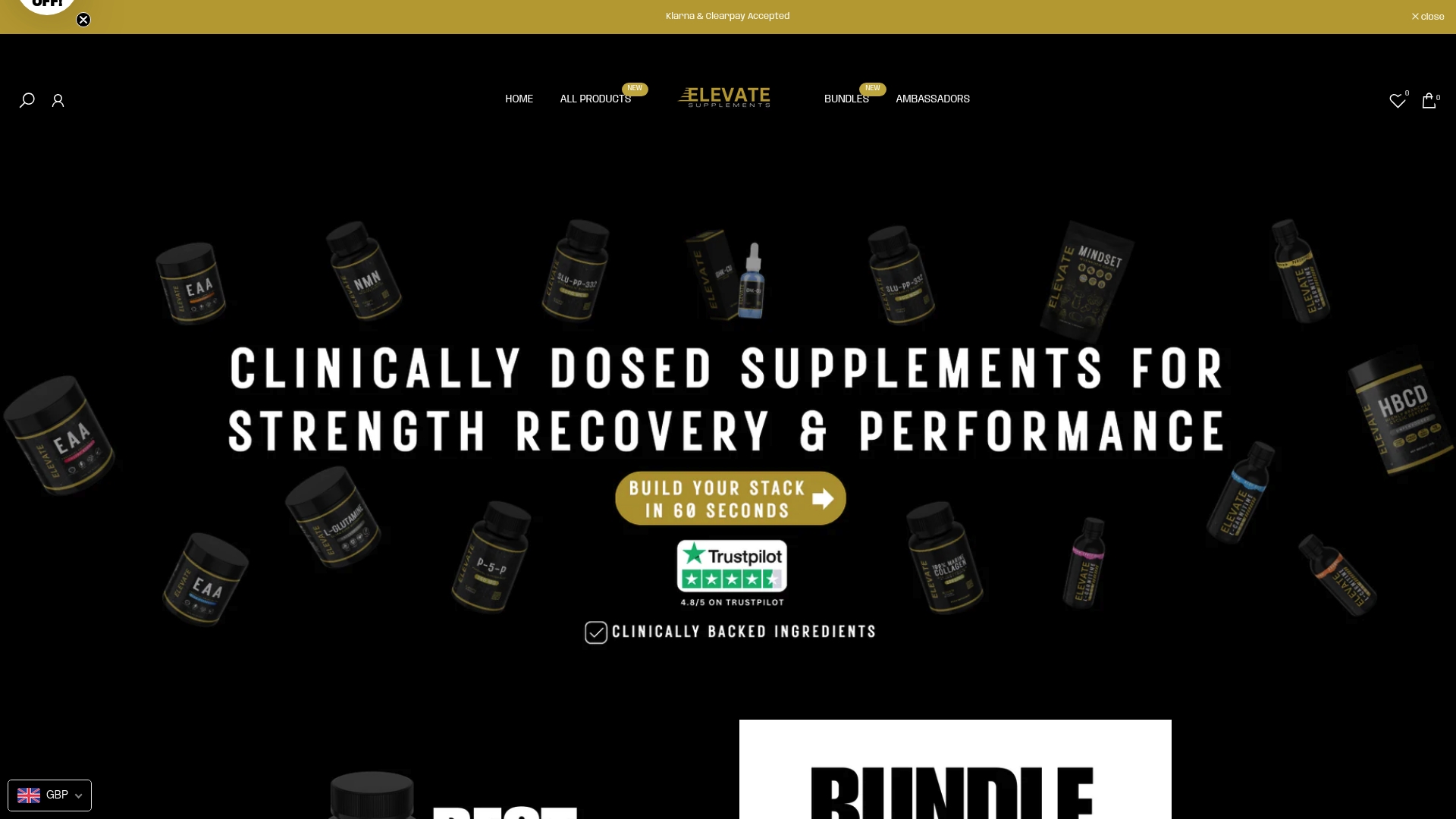
From an NHS-aligned vitamin D supplement to a quality vitamin C supplement and the convenient essential vitamins bundle, everything in our range is transparently labelled and designed to complement a proper training and nutrition plan. Browse the full catalogue at Elevate Supplements and find the right fit for your goals, with fast UK and Ireland delivery and free shipping on orders over £100.
Frequently asked questions
What is the most important immune-boosting supplement for people in the UK?
Vitamin D is NHS-recommended at 10 mcg daily from October through March, making it the single most important supplement for UK residents due to consistently low sunlight levels in autumn and winter.
Are herbal supplements like echinacea and elderberry effective for immunity?
Echinacea has no strong clinical evidence for preventing or treating colds, and elderberry lacks robust human trials to support immune benefit claims.
Can high doses of zinc harm your health?
Yes. Excessive zinc intake depletes copper levels and can actually suppress immune function rather than support it, so stick to recommended daily amounts.
Is a balanced diet enough for immunity, or should I use supplements?
UK health authorities are clear that a balanced diet should come first, though targeted supplements like vitamin D are appropriate where dietary gaps or seasonal deficiency risk exist.
What role do probiotics play in immune health?
Probiotics support the gut-immune connection and show benefit for immunity particularly in intense exercisers, though benefits tend to be strain-specific rather than universal.
Recommended
- Immune boosting supplements checklist for UK wellness – ElevateSupplements
- 7 Proven Vitamin Supplement Advantages for UK Fitness Fans – ElevateSupplements
- Why choose premium supplements for peak fitness in 2026 – ElevateSupplements
- Supplement safety tips 2026: expert advice for UK users – ElevateSupplements


